Skip to content
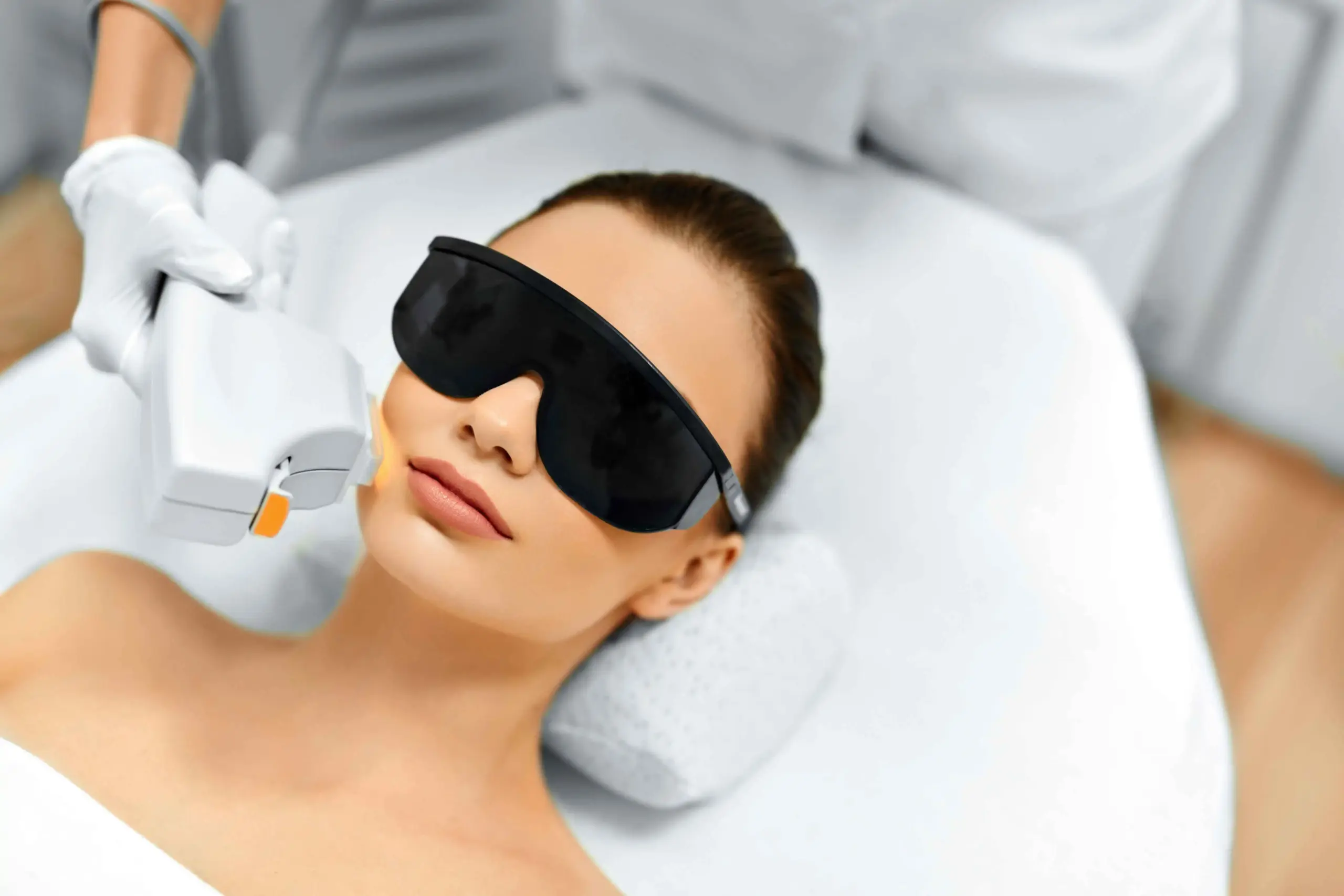
Table of Contents
If you live in Scottsdale, chances are the Arizona sun has left its mark on your skin. Years of UV exposure can lead to sun spots, uneven pigmentation, and a duller overall complexion. Many people start searching for a reliable sun damage treatment and quickly find themselves comparing IPL and laser options.
Understanding IPL vs Laser Treatments for Sun Damage can feel confusing, since both rely on light-based technology to improve your skin. This guide breaks down how each treatment works, what results to expect, and how to figure out which sun spot treatment is best for you.
What’s the main difference between IPL and laser treatments for sun damage?
IPL uses broad-spectrum light to target pigment and redness near the skin’s surface, while laser treatments use a focused beam of light energy that can be adjusted to reach deeper skin layers. This makes IPL a common choice for surface-level sun spots and pigmentation, while laser resurfacing is often reserved for deeper wrinkles, texture, and scarring.

What Is IPL Photofacial Treatment?
IPL, or Intense Pulsed Light, is a treatment that uses broad-spectrum light energy to target visible pigment and redness beneath the surface of your skin. Unlike a single-wavelength laser, IPL for sun damage uses multiple wavelengths of light, allowing it to address multiple concerns in a single session.
At Skindale Medspa, our IPL photofacial sessions are commonly used to address sun spots, hyperpigmentation, redness, and a dull or uneven complexion. Because IPL works close to the surface, it’s often described as a gentler entry point into pigmentation treatment, especially for patients who want visible improvement without significant downtime.
What Is Laser Skin Resurfacing?
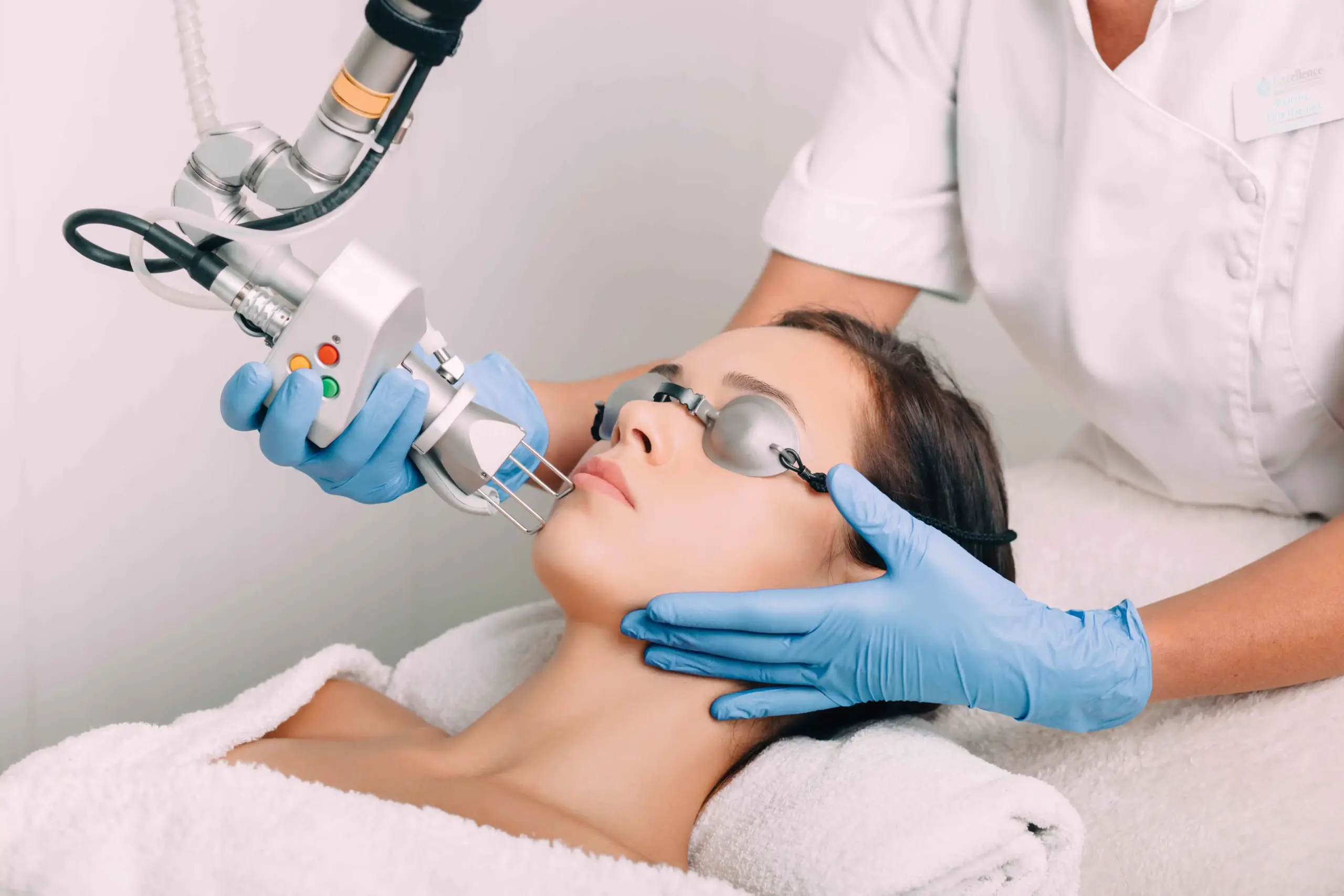
Laser skin resurfacing takes a different approach. Instead of broad-spectrum light, it uses a focused beam that can be adjusted to reach deeper layers of the skin. This makes laser treatment for sun damage a more intensive option, one that’s often considered when concerns go beyond surface pigmentation.
Laser skin resurfacing is typically used for deeper wrinkles, scarring, and more advanced resurfacing goals. Because it works below the surface, it may involve more downtime than IPL, and its intensity is usually adjusted based on skin type and specific goals.
IPL vs Laser Resurfacing: Key Differences for Sun Damage
When it comes to IPL vs laser resurfacing, the biggest difference lies in depth and intensity. Here’s how the two compare when addressing brown spot removal, age spot treatment, and general hyperpigmentation treatment:
- Light type: IPL uses broad-spectrum light across multiple wavelengths, while laser resurfacing uses a single, focused wavelength.
- Treatment depth: IPL works near the skin’s surface, targeting visible pigmentation and redness. Laser resurfacing can be adjusted to reach deeper skin layers.
- Best suited for: IPL is often chosen for sun spots, freckles, and surface-level pigmentation. Laser resurfacing is typically reserved for deeper wrinkles, scarring, and more advanced resurfacing needs.
- Downtime: IPL usually involves minimal downtime, whereas laser resurfacing may require a longer recovery period, depending on the intensity.
- Number of sessions: IPL often works best as a series of sessions for gradual improvement. Laser resurfacing may produce more noticeable change in fewer sessions, though this varies from person to person.
Neither option is inherently better than the other. It really comes down to how deep your sun damage runs and how much downtime you can manage.
Which Option Fits Sun Spots, Freckles, and Brown Spots?
If your main concern is surface-level sun spots, freckles, or brown spots that formed after years in the Arizona sun, IPL is often the more comfortable starting point. It targets that pigment without removing the outer layer of skin, which usually means a quicker return to your normal routine.
Which Option Fits Deeper Sun Damage, Texture, or Scarring?
If your sun damage has led to deeper concerns, such as uneven texture, more pronounced wrinkles, or scarring, laser resurfacing may be the more appropriate choice. Its ability to reach deeper skin layers makes it better suited for addressing damage that IPL alone may not fully resolve.
What Results Can You Expect From Each Treatment?
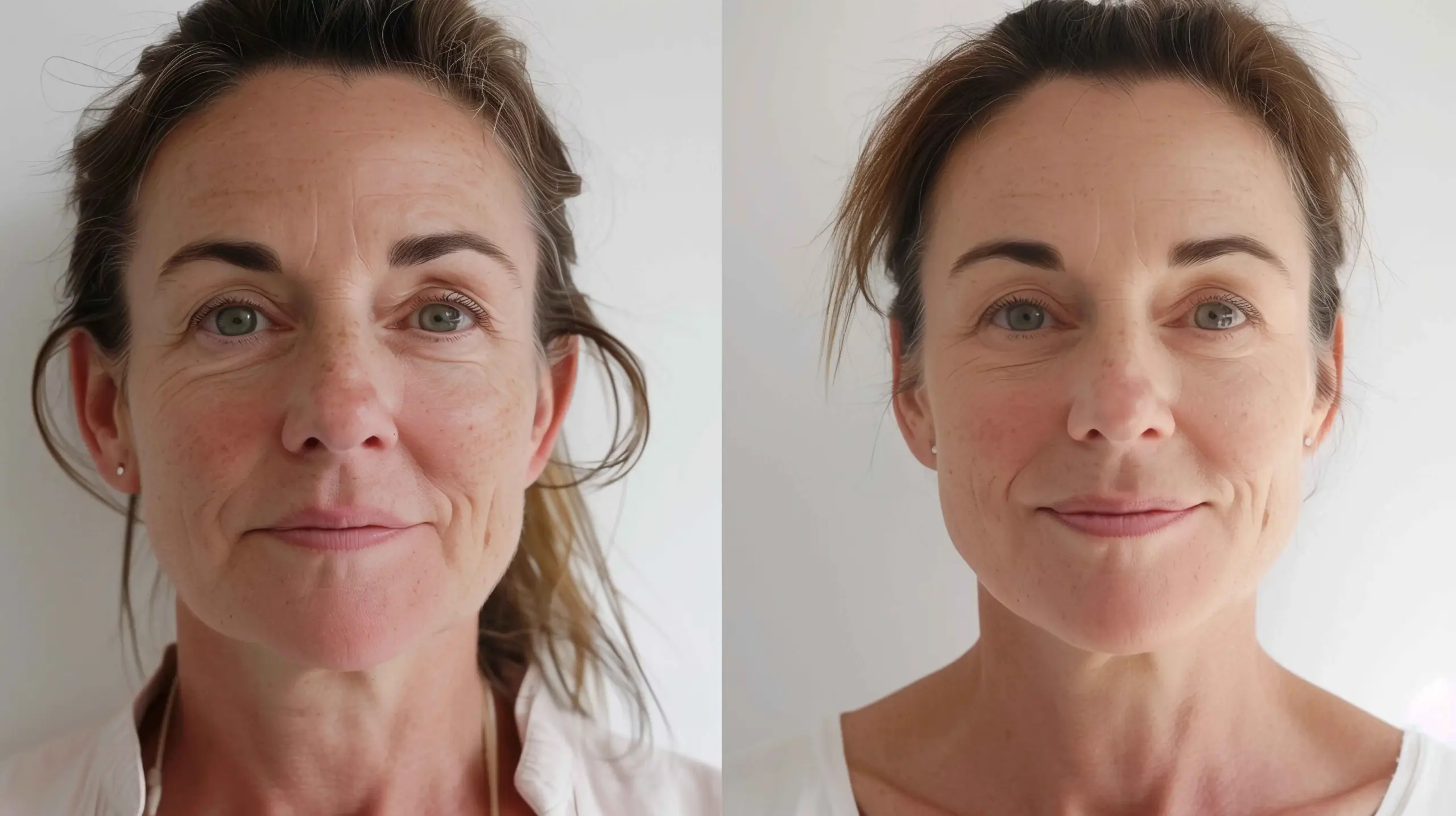
IPL results tend to build gradually. Most patients notice pigmented spots darkening slightly before fading, with improvement continuing over a series of sessions. This gradual process supports a natural-looking outcome rather than a dramatic overnight change.
Laser treatment results can appear more pronounced after a single session, particularly for deeper concerns, though this often comes with more noticeable downtime and a longer recovery period. Both approaches support skin rejuvenation for sun damage, but the timeline and intensity of results differ between them. As always, results vary by individual, and no outcome can be guaranteed.
How Do You Know Which Treatment Is Right for You?
Deciding between IPL and laser resurfacing really comes down to a few personal factors: your skin type and tone, how deep your sun damage runs, how much downtime you can realistically take, and what you’re hoping to achieve in the long term.
Since everyone’s skin tells a different story, the most reliable way to know which treatment fits your needs is through a professional consultation. At Skindale Medspa, we evaluate your skin, talk through your goals, and help you understand which option, or combination of both, makes sense for you.
IPL Photofacial in Scottsdale, AZ — Why Location Matters
Living in Scottsdale means near-constant sun exposure, and that adds up over the years. It’s part of why IPL photofacial in Scottsdale, AZ has become such a popular option among residents looking to address sun spots and uneven tone before they become harder to manage. The strong Arizona sun makes ongoing sun protection and thoughtful treatment planning especially important, no matter which option you eventually choose.
Choosing Between IPL and Laser for Sun Damage
Both IPL and laser resurfacing can play a meaningful role in improving the appearance of sun damage; they just go about it differently. IPL tends to suit surface-level pigmentation and those wanting minimal downtime, while laser resurfacing is often reserved for more serious damage and more noticeable resurfacing goals. If you’ve been living with sun spots, uneven tone, or textural changes and aren’t sure where to start, you’re not alone. Most people feel a little overwhelmed by the options at first.
Ready to Address Your Sun Damage?
Ready to reduce the visible signs of sun damage and achieve a more even, radiant complexion? Schedule a consultation at Skindale Medspa in Scottsdale, AZ. Our team can evaluate your skin and help determine whether IPL or a laser treatment is the right option for your concerns and aesthetic goals.