Skip to content
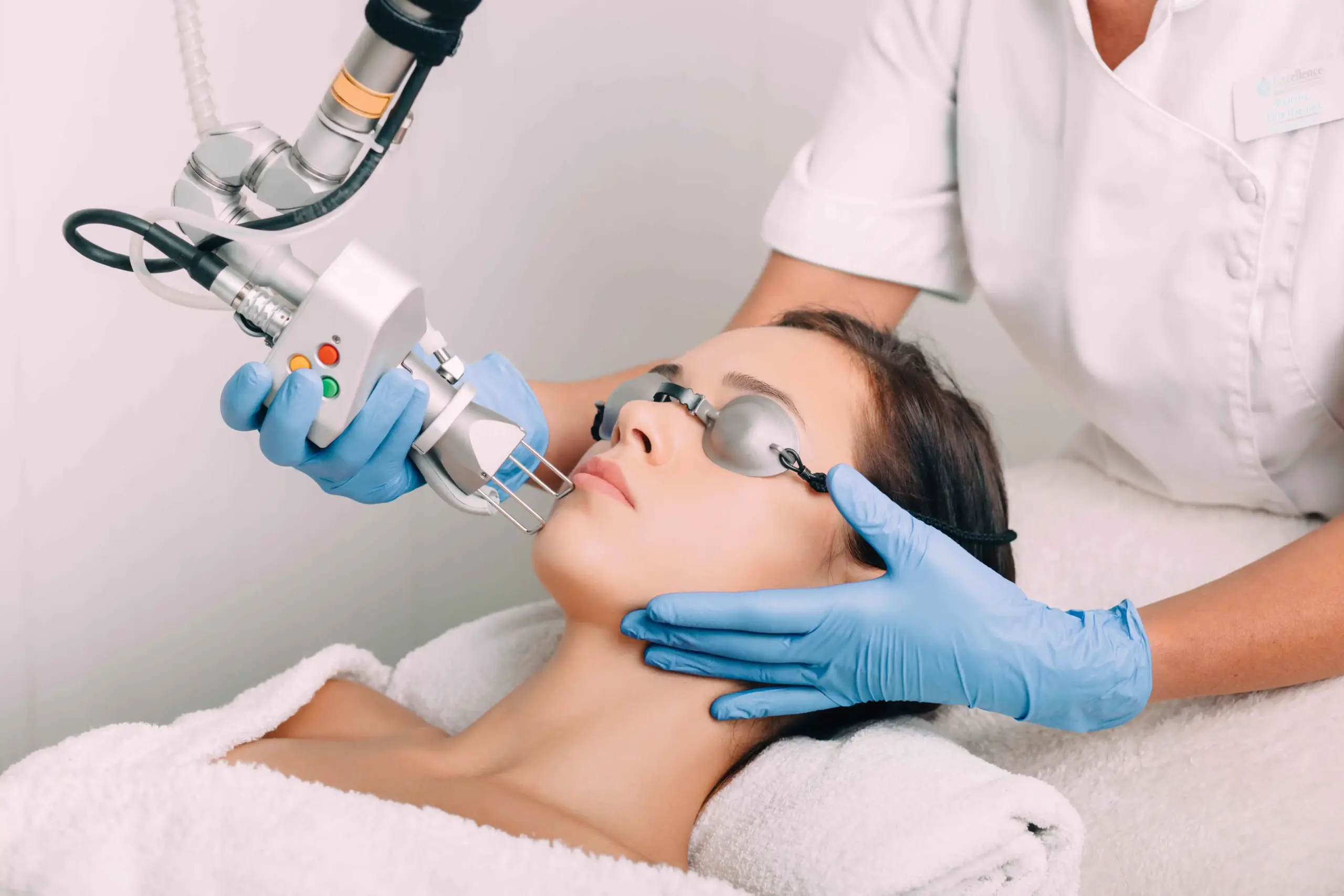
Table of Contents
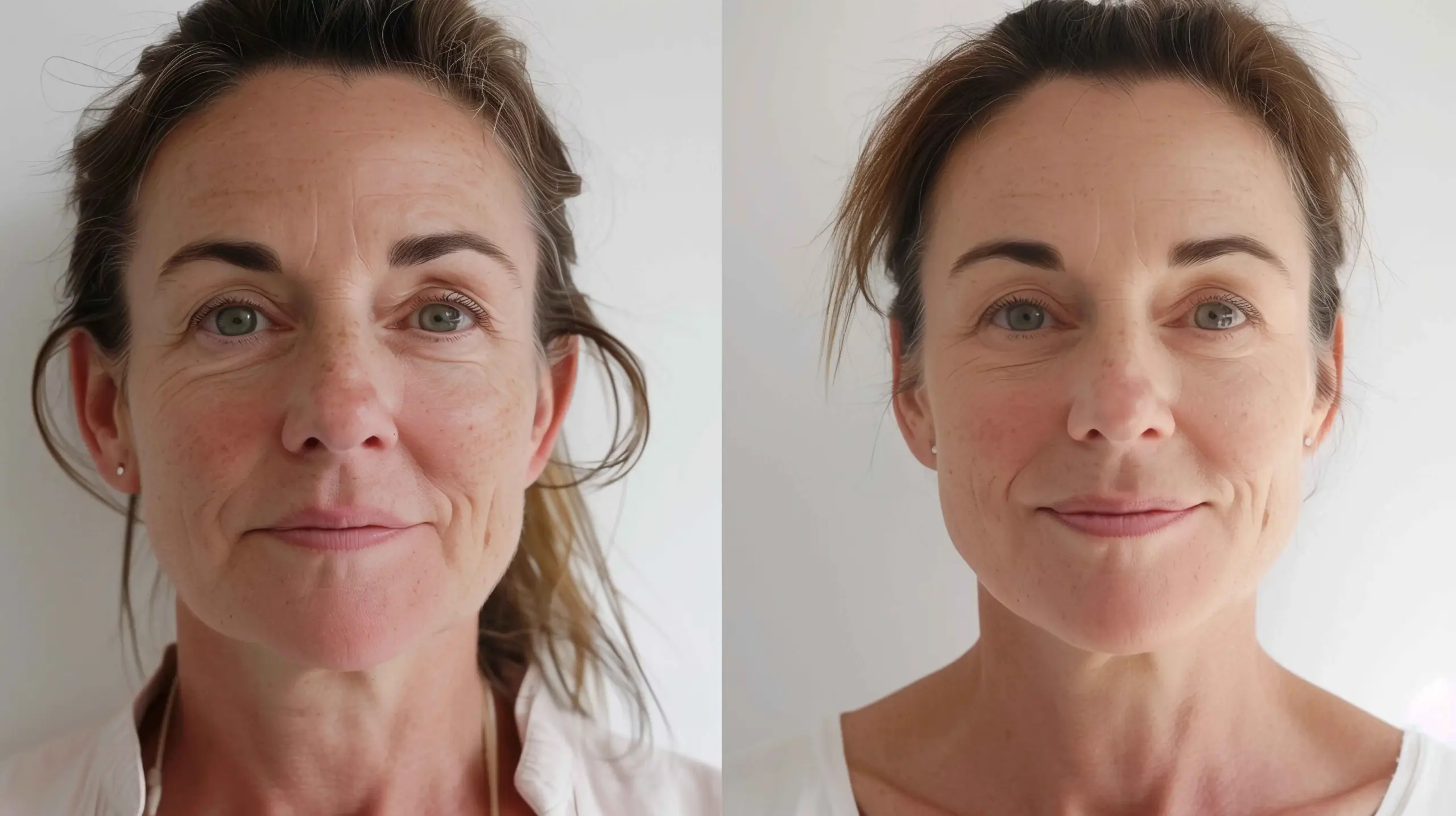
Sun damage in Arizona is not a theoretical concern. It is cumulative, year-round, and shows up earlier than most people expect. The spots, the redness, the uneven tone that develops over years of outdoor living. At some point, sunscreen becomes maintenance rather than correction, and the question shifts to what can actually address the damage that has already formed.
Two treatment categories come up consistently for sun damage: IPL and laser skin resurfacing. Skindale Medspa in Scottsdale, AZ offers IPL treatment as part of their approach to sun damage correction and skin rejuvenation. If you are trying to figure out which technology is better suited to your specific concerns, here is the honest comparison you need.
How do IPL and laser treatments differ for treating sun damage and uneven skin tone?
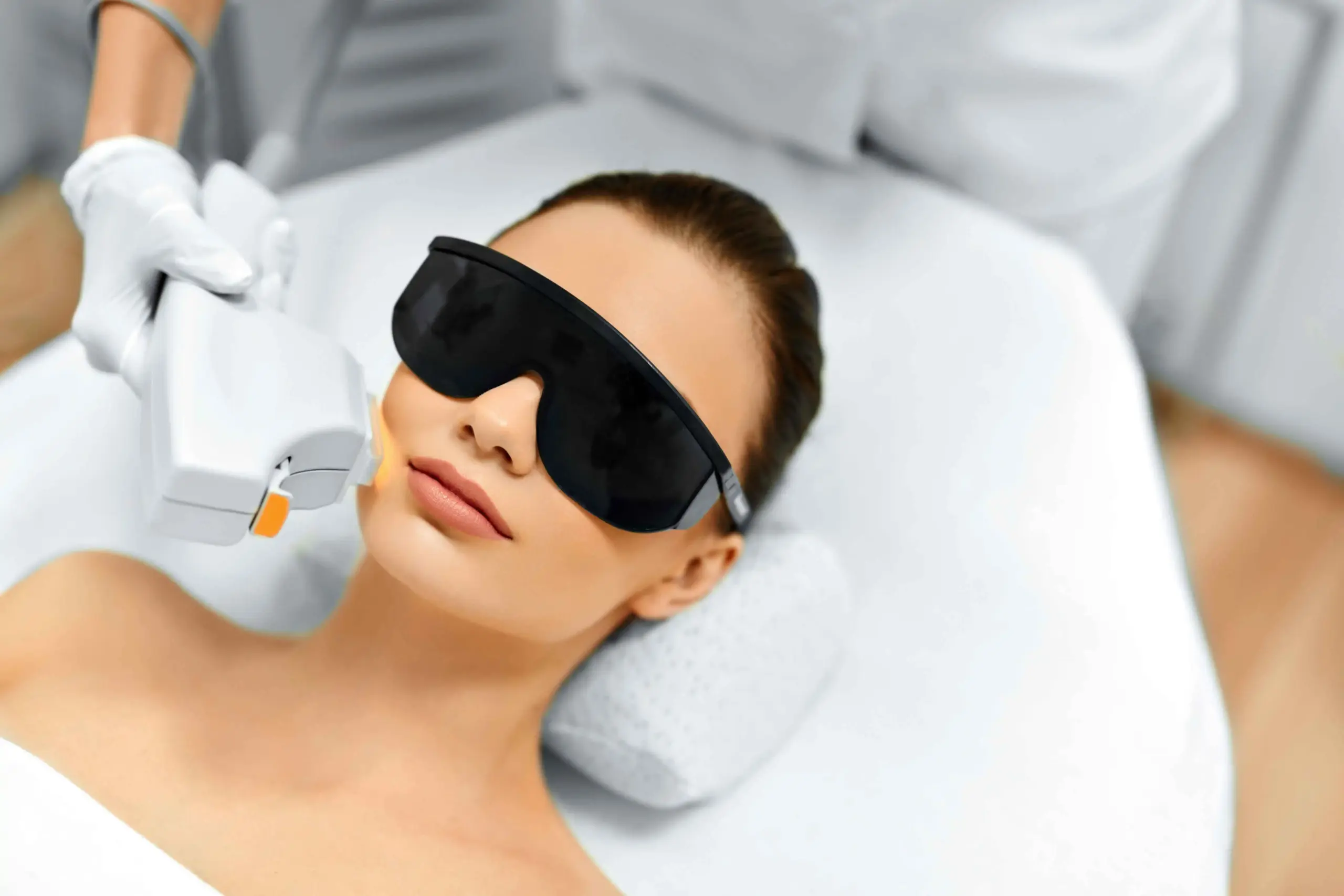
IPL (Intense Pulsed Light) is a non-ablative treatment that uses broad-spectrum light to target pigmentation and redness without destroying the outer layer of skin. It is effective for diffuse sun damage, age spots, rosacea, and uneven tone with little downtime. Laser skin resurfacing uses focused, single-wavelength light at greater energy levels to more aggressively resurface the skin and treat deeper issues such as wrinkles, textural scarring, and more substantial photodamage, but often with more recovery time. The ideal one for you will depend on how deep and severe your sun damage is, and how much downtime you’re able to take.

Why Sun Damage Requires More Than Topical Products
Sun damage builds up in the lower levels of skin that topical medications, even aggressive ones, just can’t reach regularly. UV radiation results in abnormal overproduction of melanin, which is responsible for the spots and uneven patches that we identify with photo-aging. UV damage weakens the walls of small blood vessels near the surface of the skin, making them more visible and red. These changes are structural and require energy-based treatments that directly target the pigment and vasculature, not work around them.
In the Scottsdale environment, patients are typically fighting a continual pattern of UV exposure on top of accumulated damage. And when selecting a treatment, it’s worth considering that mix, because maintaining benefits demands constant sun protection as much as it does the correct clinical intervention.
How IPL Photofacial Works on Sun Damage
IPL delivers broad-spectrum light energy that is absorbed by two main targets: melanin in pigmented spots and hemoglobin in redness and visible vessels. When the light energy is absorbed, it converts to heat and disrupts those targets, prompting the body to clear the damaged pigment cells and reabsorb the damaged vessels over the following days and weeks.
What makes IPL particularly well-suited for sun damage is that it can address multiple concerns simultaneously in a single session. Brown spots, diffuse redness, uneven tone, and dull skin can all respond to a single treatment series without removing the skin surface or requiring significant recovery. Most patients experience mild redness for 24 to 48 hours. Pigmented spots may temporarily darken before they flake away, which is a normal part of the process. Results vary based on individual skin tone, the depth of the damage, and treatment consistency.
How Laser Skin Resurfacing Approaches Sun Damage
Laser skin resurfacing uses a single, focused wavelength at a higher energy level to treat the skin more intensively. Depending on whether the laser is ablative or non-ablative, it either removes the outer skin layer entirely to prompt fresh regeneration, or penetrates beneath the surface without breaking it down, stimulating deeper collagen remodeling.
Ablative laser resurfacing produces the most significant results for advanced photodamage, deeper fine lines, and textural concerns, but involves a more substantial recovery period. Non-ablative fractional lasers offer a middle ground, reaching deeper tissue while preserving more of the surface and limiting downtime to several days. Laser treatments tend to be more precise for specific, concentrated concerns where high-energy targeted delivery is needed, while IPL covers broader areas of diffuse damage more efficiently.
IPL vs Laser Treatments for Sun Damage: The Key Comparison
Here is how these two options compare across the factors that most affect the decision:
Depth of damage treated: IPL works well for surface and mid-level pigmentation, redness, and tone concerns. Laser resurfacing reaches deeper tissue and is better suited for more advanced photodamage, deeper lines, and textural changes.
Downtime: IPL typically involves 24 to 48 hours of mild redness with no significant recovery. Ablative laser resurfacing can involve five days to two weeks of healing depending on intensity. Non-ablative fractional lasers fall somewhere in between.
Skin tone compatibility: IPL relies on contrast between the targeted pigment or vessel and the surrounding skin, which means it is generally best suited for lighter to medium Fitzpatrick skin tones. Some laser platforms have wider skin tone compatibility, though careful settings are important across all types.
Treatment area: IPL can cover larger facial areas more quickly in a single session. Laser treatments can be more targeted for specific zones of concern.
Sessions needed: IPL for sun damage typically involves two to five sessions spaced several weeks apart. Laser resurfacing may achieve comparable or deeper results in fewer sessions depending on the platform and settings used.
Who Should Choose IPL and Who Should Consider Laser
IPL tends to be the better starting point for patients dealing with:
- Diffuse sun damage, age spots, and freckles across a broader area
- Rosacea-related redness and visible facial vessels alongside pigmentation
- Patients who cannot accommodate significant downtime due to schedule or lifestyle
- Those looking to maintain skin quality and prevent further pigmentation from progressing
- Lighter to medium skin tones with predominantly surface-level sun damage concerns
Laser skin resurfacing tends to suit patients with:
- More advanced photodamage that has not responded adequately to IPL or lighter treatments
- Deeper fine lines and textural changes alongside pigmentation
- Patients who can plan around a longer recovery window
- Those who want more significant correction in fewer total sessions
- Concerns concentrated in specific areas rather than spread broadly across the face
Many patients benefit from both at different points, using IPL for regular maintenance and pigmentation management and turning to laser resurfacing when deeper correction is needed.
Find the Right Treatment for Your Skin
The question of IPL vs. laser treatments for sun damage depends on your specific skin, your damage pattern, and your lifestyle. For most patients in Scottsdale dealing with the accumulated effects of Arizona sun, IPL is an efficient, well-suited starting point. For more advanced concerns, laser resurfacing adds a deeper level of correction.
Ready to reduce sun damage and restore a brighter, more even complexion? Schedule a consultation at our Scottsdale, AZ practice to learn whether IPL or laser treatment is the best option for your skin. Our experienced providers will create a personalized treatment plan for healthier, rejuvenated skin. Contact our team with any questions before you book. IPL vs laser treatments for sun damage in Scottsdale start with one straightforward conversation about your skin.