Skip to content

Table of Contents
When people begin researching injectables, the first question is often simple but important. Should I choose Botox or fillers? While these treatments are frequently mentioned together, they work in very different ways and address different signs of aging. Understanding Botox vs fillers is essential for anyone considering non-surgical facial rejuvenation and wanting results that look natural and balanced. At Skindale Medspa, clients often ask for clear guidance on which option fits their concerns rather than a one-size-fits-all approach.
Facial aging does not occur in a single uniform way. Some changes are caused by repeated muscle movement, while others result from volume loss, skin thinning, or structural shifts. Botox and fillers each target a specific cause. Knowing how they differ helps ensure the treatment choice matches the concern and supports confident, informed decision-making.
How Botox Works and What It Treats
Botox focuses on muscle activity. It is designed to relax targeted facial muscles that create dynamic wrinkles. These are lines that appear with movement, such as frowning, squinting, or raising the eyebrows. Over time, repeated motion causes these lines to become more noticeable even at rest.
One of the main advantages of Botox treatment is prevention. By reducing excessive muscle movement, Botox helps soften existing lines and slows the formation of deeper wrinkles. It is commonly used on the forehead, between the eyebrows, and around the eyes.
Results develop gradually and typically last several months. Botox does not add volume or change facial structure. Its role is to smooth and soften expression-related lines while preserving natural facial movement.
How Fillers Work and What They Treat
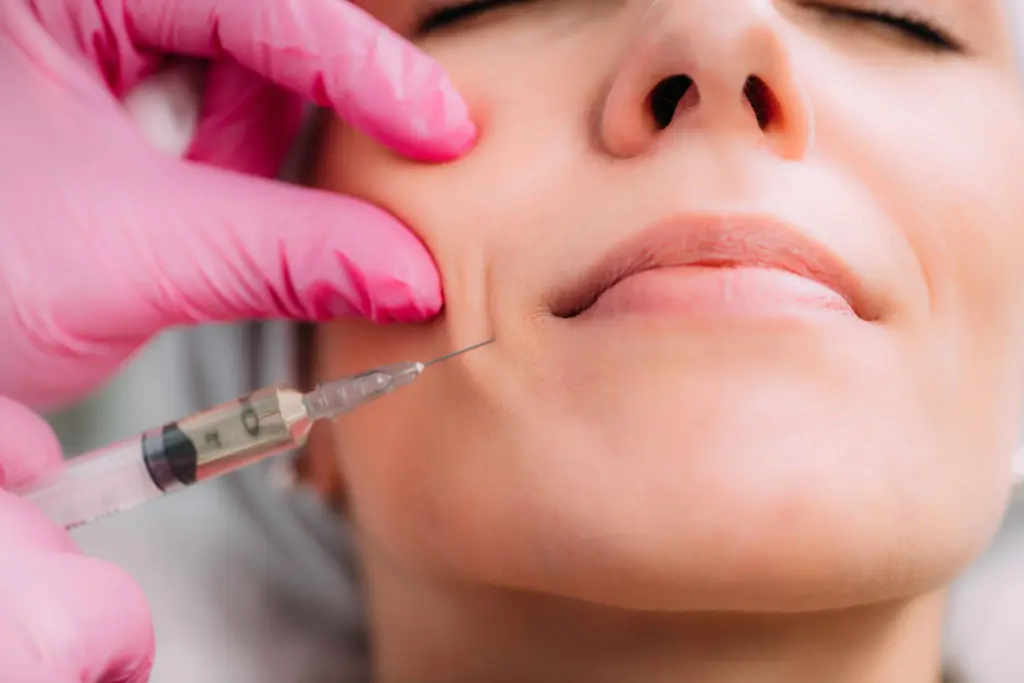
Fillers work differently by addressing volume and structure beneath the skin. As the face ages, collagen and fat naturally decrease, leading to hollow areas, folds, and less defined contours. Fillers are used to restore support and smooth deeper lines.
The primary dermal fillers’ benefits include restoring fullness, enhancing facial contours, and softening static wrinkles that are present even when the face is relaxed. Common treatment areas include the cheeks, nasolabial folds, jawline, and lips.
Unlike Botox, fillers provide immediate structural support. Results can last from several months to over a year, depending on the product and area treated. Fillers do not affect muscle movement and instead focus on shape and balance.
Botox vs. Filler Differences Explained Clearly
The most important distinction lies in what causes the aging concern. Botox treats wrinkles caused by movement. Fillers treat wrinkles and changes caused by volume loss. This core difference explains why the two treatments are not interchangeable.
Understanding the differences between Botox and fillers prevents mismatched expectations. For example, Botox cannot restore cheek volume, and fillers cannot stop muscle-driven forehead lines. Each treatment solves a specific problem.
Another difference is timing. Botox results appear gradually over several days, while filler results are visible immediately with continued refinement as swelling subsides. Longevity also differs, with fillers typically lasting longer than Botox.
When Botox Is the Better Choice
Botox is most effective for individuals whose primary concern is expression lines. These lines often appear in younger patients or those who are just beginning to notice facial aging. Botox can soften lines while maintaining a natural look.
It is also a common entry point for people new to injectables because treatments are quick, conservative, and temporary. Botox allows individuals to explore cosmetic injectables without long-term commitment.
When Fillers Are the Better Choice
Fillers are ideal when aging concerns involve volume loss or contour changes. People who notice flattened cheeks, deeper folds around the mouth, or a less defined jawline often benefit more from fillers than Botox.
Fillers are also well-suited for individuals seeking facial balance or subtle reshaping. They can restore proportions without affecting facial expressions.
Using Botox and Fillers Together
Many patients benefit from combining both treatments. This approach is common in Anti-aging injectables because aging usually involves both muscle activity and volume loss.
For example, Botox may soften forehead lines while fillers restore cheek volume. This combination creates harmony across the face rather than focusing on a single area. When used together thoughtfully, injectables support comprehensive Facial rejuvenation treatments that look natural and proportional.
Choosing the Right Treatment for Your Face
The decision between Botox and fillers depends on identifying the cause of the concern, not just the location. Two people with lines near the mouth may need completely different treatments depending on whether the issue is movement or volume.
A consultation allows for facial assessment, discussion of goals, and personalized planning. This step is critical for achieving results that enhance features rather than change them.
Why Age and Skin Changes Influence Treatment Choice
Age alone does not determine whether Botox or fillers are the better option. What matters more is how aging is showing up in the skin and facial structure. In younger individuals, early aging often appears as expression lines caused by repeated muscle movement. In these cases, Botox is frequently recommended because it addresses the source of those lines before they deepen.
As the face matures, volume loss becomes more noticeable. Cheeks may appear flatter, folds may deepen, and overall facial contours may soften. This is when fillers often play a larger role. Fillers help restore underlying support, which can improve facial balance and reduce the appearance of aging even without treating every line individually.
Skin quality also affects treatment selection. Thinner skin may show wrinkles sooner, while thicker skin may hide volume loss longer. Understanding how your skin and facial structure have changed over time allows for a more accurate treatment plan. This approach helps ensure that injectables are used to enhance natural features rather than overcorrect a single area.
Botox vs. Fillers in Scottsdale
Those exploring Botox vs. Fillers in Scottsdale, AZ, often want clarity before committing to treatment. Understanding how each injectable works helps reduce confusion and improve satisfaction with results. Personalized care ensures that injectables are used appropriately and conservatively.
Ready to Choose the Best Option for Your Facial Goals?
If you are deciding between Botox and fillers, a professional consultation can clarify which option fits your concerns and goals. Understanding the differences allows you to move forward confidently with a plan that supports natural-looking results.
A Thoughtful Approach to Facial Rejuvenation
Choosing between Botox and fillers does not have to feel confusing. Each treatment offers unique benefits, and when used appropriately, both can support a refreshed and youthful appearance. Whether your goal is smoothing expression lines or restoring volume, understanding the differences helps you move forward with confidence. You can contact us to explore your options and create a personalized plan for facial rejuvenation.