Skip to content
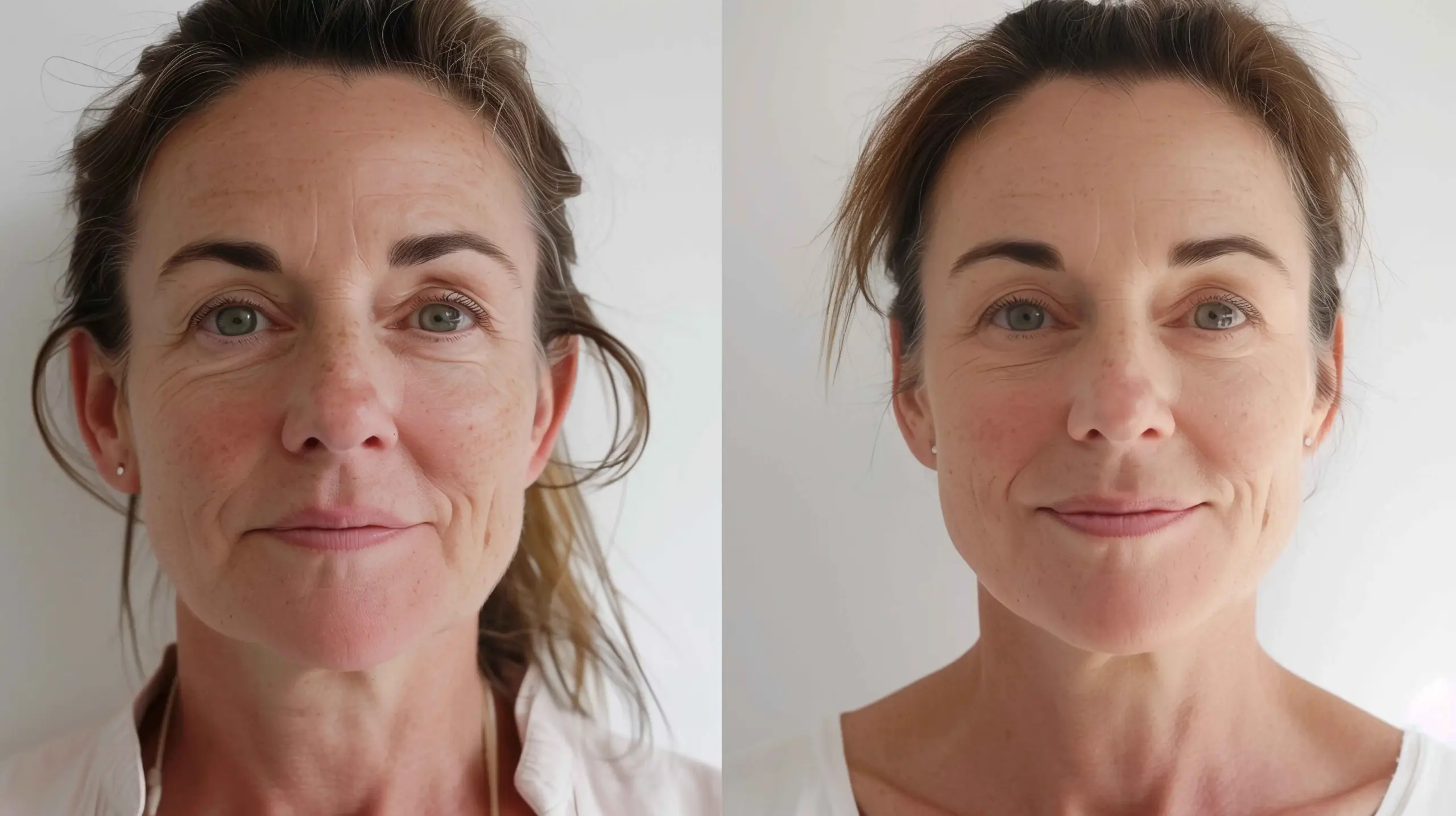
Table of Contents
If you have been researching ways to improve skin texture, tighten loose areas, or fade acne scars, you have probably come across both Scarlet RF and traditional microneedling. They sound similar on the surface, and they do share some common ground. But how they work, what they can actually fix, and who benefits most from each treatment are genuinely different conversations. Knowing those differences before you book is what separates a treatment you feel good about from one that leaves you wishing you had asked more questions.
Skindale Medspa in Scottsdale, AZ, offers Scarlet RF as part of a broader approach to non-surgical skin rejuvenation, and the team regularly helps patients sort through this exact comparison. Here is an honest breakdown of what sets these two treatments apart.
What is the main difference between Scarlet RF and traditional microneedling?
Traditional microneedling creates controlled micro-injuries in the skin to trigger collagen induction therapy, improving texture and tone over time. Scarlet RF does the same thing but adds radiofrequency energy delivered through the needles, which heats the deeper layers of skin, stimulating significantly more collagen production and tissue tightening than microneedling alone can achieve.

What Each Treatment Is Actually Doing
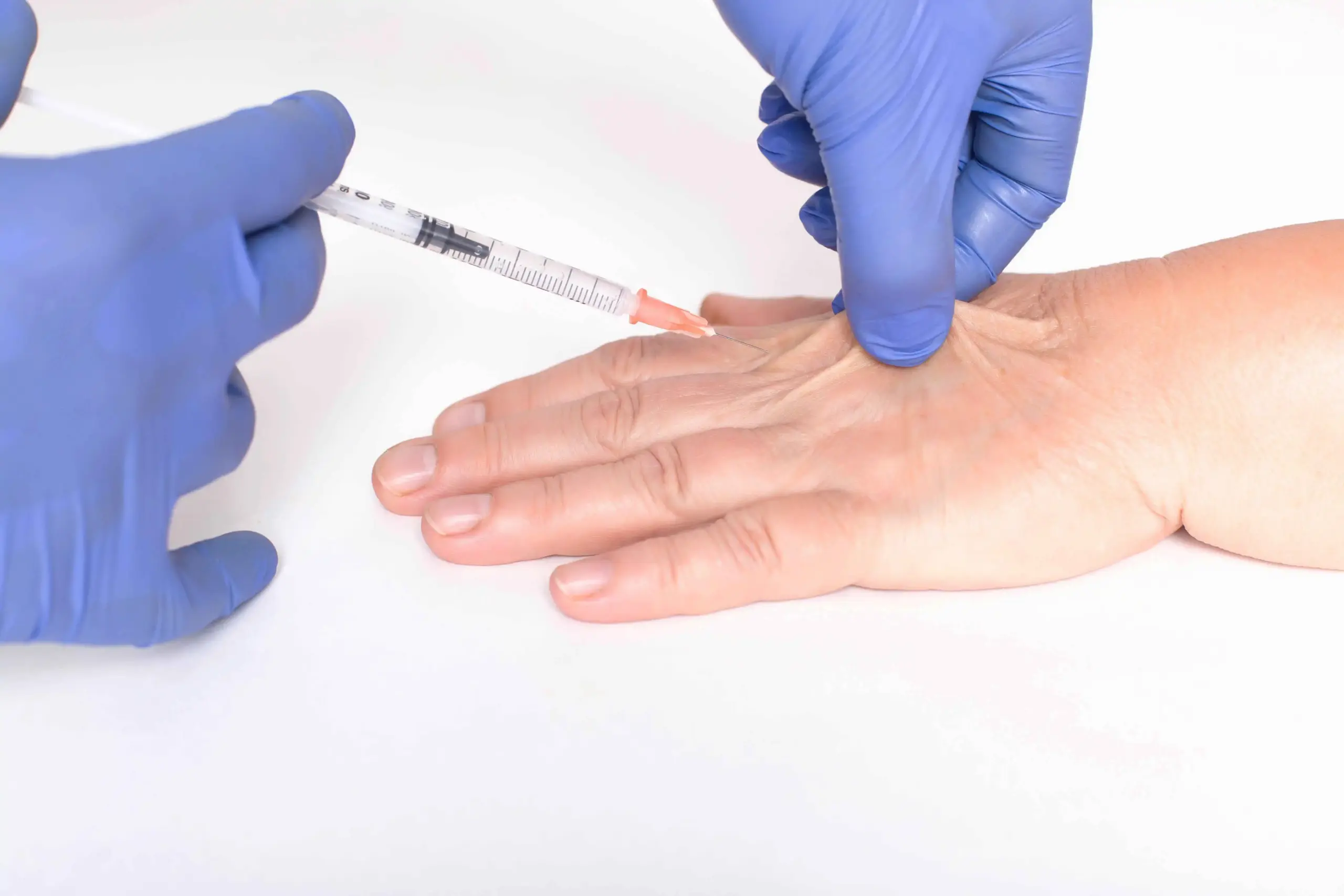
Traditional microneedling works on a straightforward principle. Fine needles create tiny punctures in the skin, and the body responds by producing collagen to repair them. Over a series of treatments, that collagen buildup smooths texture, reduces the appearance of acne scars, and gives skin a more even tone. It is a well-established treatment with a solid track record, particularly for patients focused on surface-level texture improvement and early signs of aging.
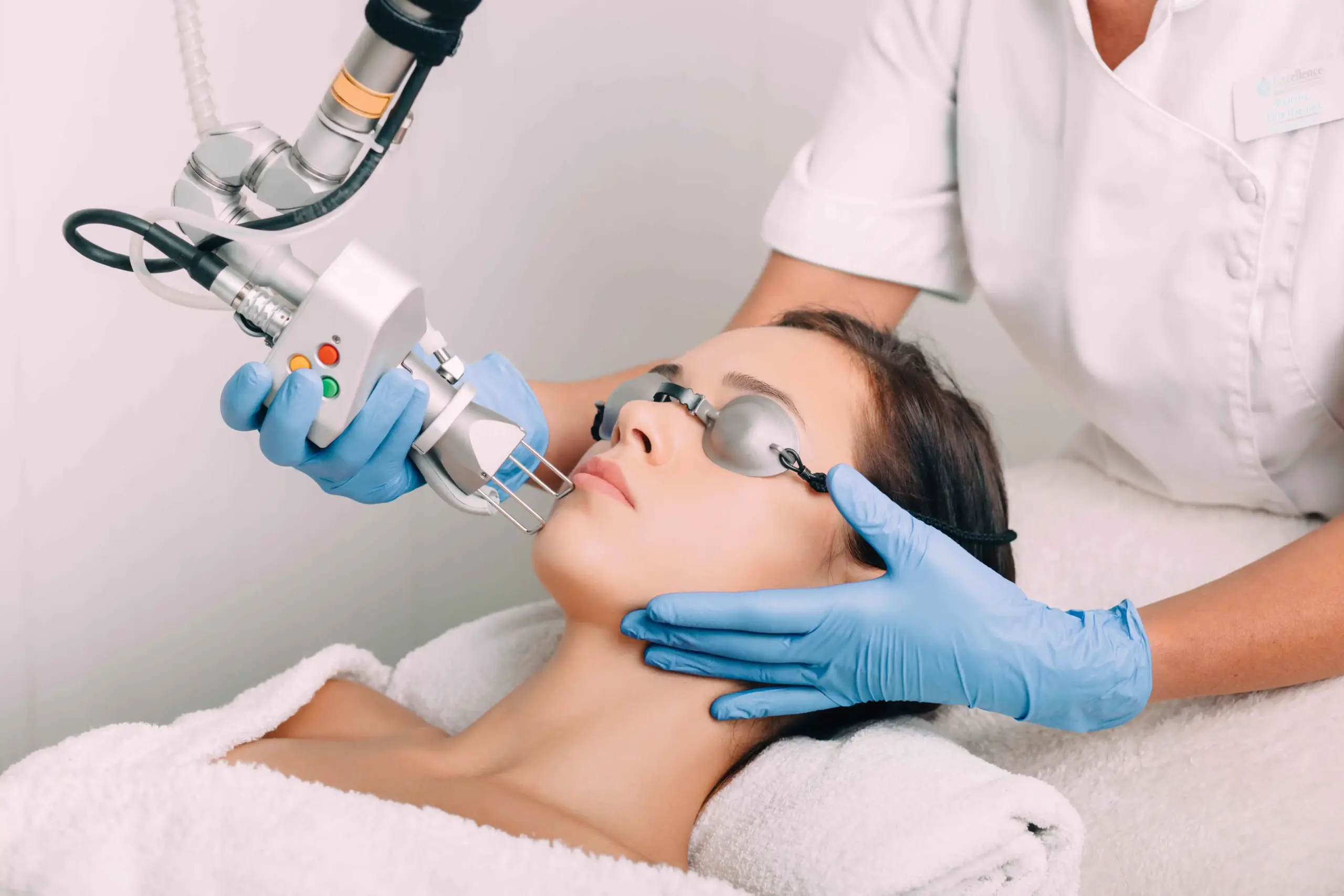
Scarlet RF microneedling takes that foundation by adding a meaningful layer of technology. The radiofrequency energy is delivered precisely through insulated needles at controlled depths, heating the dermis and triggering a more robust collagen and elastin response than needle-based stimulation alone. The result is not just surface-texture improvement but actual tissue remodeling deeper in the skin, which is what makes it more effective for skin laxity, enlarged pores, and more severe scarring.
How the Two Treatments Compare on Results
For someone dealing primarily with mild texture concerns, dullness, or early fine lines, traditional microneedling can deliver solid results with a relatively gentle recovery. Most patients need a series of three to six sessions spaced several weeks apart, and the improvement builds gradually. It is a good entry point for patients newer to skin treatments and an accessible option for those who want collagen induction therapy without a more intensive commitment.
Scarlet RF raises the ceiling on what is achievable. The addition of radiofrequency energy means it can address skin tightening in areas like the lower face, neck, and around the eyes in a way that traditional microneedling simply cannot match. Patients dealing with mild to moderate sagging, deeper acne scars, enlarged pores, or stretch marks tend to see more meaningful improvement with Scarlet RF, and the results continue to develop for months after treatment as collagen production continues.
The Downtime and Comfort Comparison
One of the most practical questions people ask is what recovery actually looks like for each person. Traditional microneedling typically causes redness and some sensitivity for 1 to 3 days. Most patients feel comfortable returning to regular activities within 24 to 48 hours, though sun protection is essential during the healing window.
Scarlet RF involves a similar recovery window for most patients. Some redness, mild swelling, and a sensation similar to a mild sunburn in the treated area are common for the first day or two. Because the RF energy penetrates more deeply, a strong numbing cream is applied before treatment, and most patients find the experience very manageable. The slightly more intensive nature of Scarlet RF is offset by the fact that fewer total sessions are often needed to reach comparable or superior results compared to traditional microneedling alone.
Scarlet RF vs Traditional Microneedling: Matching the Treatment to the Concern
Choosing between these two comes down to being honest about what your skin actually needs. Traditional microneedling is a strong fit for patients seeking a reliable, lower-intensity treatment for surface texture and mild discoloration, as well as for maintaining overall skin quality. It works across a range of skin tones and types, and it is a sensible starting point for anyone new to professional skin treatments.
Scarlet RF is the better choice when the goals are more ambitious. Skin tightening, significant scar improvement, pore reduction, and addressing early laxity around the jaw, neck, or delicate areas like the under-eye area are all areas where the RF component earns its place. If you have been doing traditional microneedling and feel like you have plateaued, or if your concerns have always been in the skin-tightening category, Scarlet RF is worth a conversation.
Who Gets the Most Out of Each Treatment
Traditional microneedling tends to work well for patients in their late 20s to early 40s who are focused on maintaining skin quality, managing mild acne scarring, or addressing early fine lines. Patients with more sensitive skin who want a gentler entry point into professional treatments also tend to respond well.
Scarlet RF is particularly well-suited for patients in their 30s to 50s who are noticing changes in skin firmness and elasticity, or for anyone at any age dealing with more significant acne scarring, enlarged pores, or stretch marks. The ability to customize depth and energy settings at Skindale Medspa means the treatment can be calibrated to your specific skin type and concern, which matters more than people often realize going in.
Getting the Most Out of Whichever Treatment You Choose
Preparation and aftercare play a real role in results for both treatments. Avoiding retinoids for a few days beforehand, coming to your appointment with clean skin, and staying well-hydrated are simple steps that make a difference. After treatment, sticking to recommended products, applying sunscreen consistently, and skipping makeup for the first 24 hours gives your skin the best environment to heal and respond.
In Scottsdale, where UV exposure is a year-round reality, sun protection between sessions is especially important. Both treatments stimulate new collagen and leave the skin temporarily more vulnerable to environmental damage, so protecting that investment with good aftercare habits directly affects how strong your results are over time.
Find Out Which Treatment Fits Your Skin
Both Scarlet RF and traditional microneedling have a real place in a thoughtful skin care plan. The right choice is the one that matches your specific concerns, your skin type, and what you are trying to accomplish in the long term.
Not sure which treatment is best for your skin goals? Schedule a consultation in Scottsdale, AZ today to compare Scarlet RF and traditional microneedling for smoother, firmer, and more radiant skin. The team will walk you through both options and give you a clear, honest recommendation based on your skin. Contact our team anytime to get started.